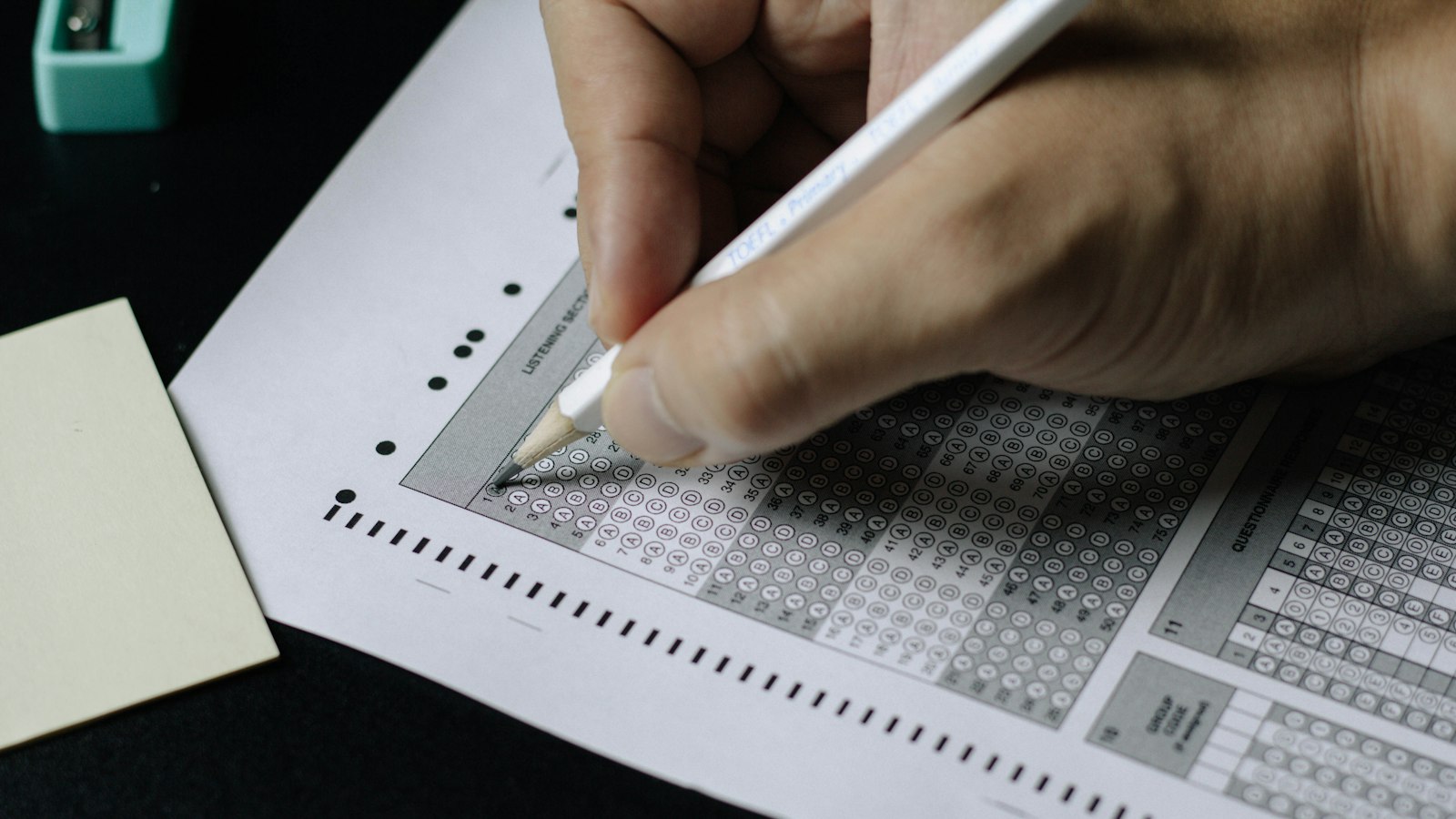
This article is published by Revision Library. Our own resource is described separately below.
How this list was made
This guide compares resources for a parent organising printed 13+ practice at home, not for a pupil looking for quick revision tips. We checked each option on 16 September 2026 for whether the practice can be printed, which of the 13+ subjects it covers, whether an account is needed to reach it, and whether it genuinely prepares a child for 13+ rather than drifting into 11+ preparation.
At a glance
| Site | Best for | Price | Account |
|---|---|---|---|
| CGP | Best for revision guides alongside practice papers | Paid | No account |
| Atom Learning | Best for adaptive, personalised 11+ practice | Paid | Account required |
| Tes (Teaching Resources marketplace) | Best for teacher-shared resources across many subjects | Free, with a paid tier | Free to browse; account for some tools |
The full comparison
CGP
Best for revision guides alongside practice papersCGP is a UK educational publisher producing revision guides and practice books across the curriculum, including 11+ preparation titles.
CGP is useful when you want a printed revision guide or practice book beside free worksheets, especially for families who like a bound book to structure the week. It is a paid publisher rather than a free download library, so check the exact title against the school's 13+ route before treating it as the main practice source.
Atom Learning
Best for adaptive, personalised 11+ practiceAtom Learning is an adaptive, account-based preparation platform covering 11+ (including ISEB and CAT4-style practice) for younger primary years, and GCSE revision for the final two years of secondary, on a monthly subscription. A limited free trial is available before the paid plans begin.
Atom Learning's strength is an adaptive, account-based platform built around 11+ and younger primary preparation, with some ISEB-style practice in that wider context. That can help with familiarisation and screen-based routines, but it is not a printable 13+ Common Entrance paper source and should not replace English, Maths and Science practice for a Year 8 senior-school exam.
Tes (Teaching Resources marketplace)
Best for teacher-shared resources across many subjectsTes Teaching Resources is a marketplace of resources uploaded by individual teachers, spanning early years to secondary and special needs, rather than a single curated corpus. Free and paid resources are listed side by side.
Tes is worth checking when you need extra practice in a less common area, because teachers upload resources across a wide subject range and some are free. Quality varies by uploader because anyone can contribute, so read the preview, check the answer support and avoid treating one worksheet as a verified 13+ paper.
Our own resource
Revision Library
Best for free printable practice with mark schemesRevision Library's 13+ library provides topic practice across English, Maths and Science with mark schemes. Use it to work on a named topic, then use a printed paper for a longer session. A topic pack is practice for a particular skill; it is not a school sample or an official paper.
Worked example (3 marks): The price of a bicycle helmet is 24 pounds. The price is increased by 15%. Calculate the new price of the helmet. First find 10%: 24 / 10 = 2.40 pounds. Then 5% is half of 10%, so 1.20 pounds; combine them to find 15%: 2.40 + 1.20 = 3.60 pounds. Add the increase to the starting price: 24 + 3.60 = 27.60 pounds. The final price includes the original 24 pounds because an increase adds the extra amount to the price that was already there. Marking: 1 mark for finding 10% = 2.40 pounds, 1 mark for finding 15% = 3.60 pounds from 10% and 5%, and 1 mark for adding the increase to give 27.60 pounds.
For home practice, use the 13+ topic guides when a topic is unfamiliar, including fractions, decimals and percentages practice. Use the 13+ diagnostic to locate a weak area before choosing what to print. A longer home schedule can sit beside the 13+ revision guide, while the 13+ Pack Builder lets you combine selected topics into one printable session.
Print the question and leave space to show each line of working. After the attempt, compare the working with the mark scheme: check the 10% calculation, how 15% was found, and whether the increase was added to the original amount. For English, use the guide to composition writing for planning; for multi-step Maths, see 13+ algebra, and for Science explanations see life processes in biology. Move to the 13+ mock papers when ready for a longer paper, and use 13+ flashcards and 13+ revision formats for recall and review.
Composition demonstration: Mina felt anxious as she waited outside the hall for her choir audition. Revised: Mina rubbed the damp edge of her music folder against her sleeve. When voices stopped inside, she straightened, then checked the first line again, her thumb pressing a pale crescent into the paper. The damp folder edge, repeated checking and pause at the voices suggest anxiety without naming it, while the hall, music and imminent audition keep the same situation. The direct sentence is clear and may be useful when a writer wants to state a feeling quickly; this revision chooses to let details carry more of it.
Browse free 13+ practice papersIn the numbers
- packs
- 113
- question pages
- 2,081
13+ printable practice packs across English, Maths and Science, each with a full mark scheme
How to choose
Check the target school's admissions information to identify the route, then use any school sample it provides to understand that school's paper. Treat school samples and official papers as their own materials; Revision Library topic practice is for practising a selected skill and does not stand in for either.
Choose a topic pack when you can name a gap, and print a longer paper when you want to practise working through a sequence of questions. Keep the topic practice focused, then use the school's sample or official paper separately when preparing for that format.
Print the question with room for written working. Ask the pupil to show each calculation, then check each step against the mark scheme and identify where the method or arithmetic changed.
Use the mark scheme after the attempt: award attention to each stated step, check the final answer, and revisit the matching topic if a step needs work. Choose the next printed topic session from that step rather than automatically adding another full paper.